
In today’s hyperconnected world, custom web applications aren’t just tools—they’re the heartbeat of your business. From SaaS platforms and healthcare portals to logistics systems and eCommerce ecosystems, they deliver personalized experiences, streamline operations, and set you apart from the competition. But with great connectivity comes greater risk. Cyber threats are more sophisticated than ever, and a single breach can erode trust, halt operations, and cost millions.
The good news? Proactive security isn’t a cost—it’s a high-ROI investment. Organizations with mature security practices see 36% lower breach costs and 40% fewer successful attacks. Every $1 spent on prevention can save up to $3 in recovery. In 2026, security is your digital moat, your brand guardian, and your path to sustainable growth. Let’s explore the essential measures that will future-proof your custom web application—and your entire business.
Understanding Web Application Security: The Foundation of Trust
Web application security means proactively identifying, fixing, and preventing vulnerabilities in your code, APIs, components, and infrastructure. It’s about building preventative controls (like input validation to stop injection attacks), robust authentication, and continuous monitoring.
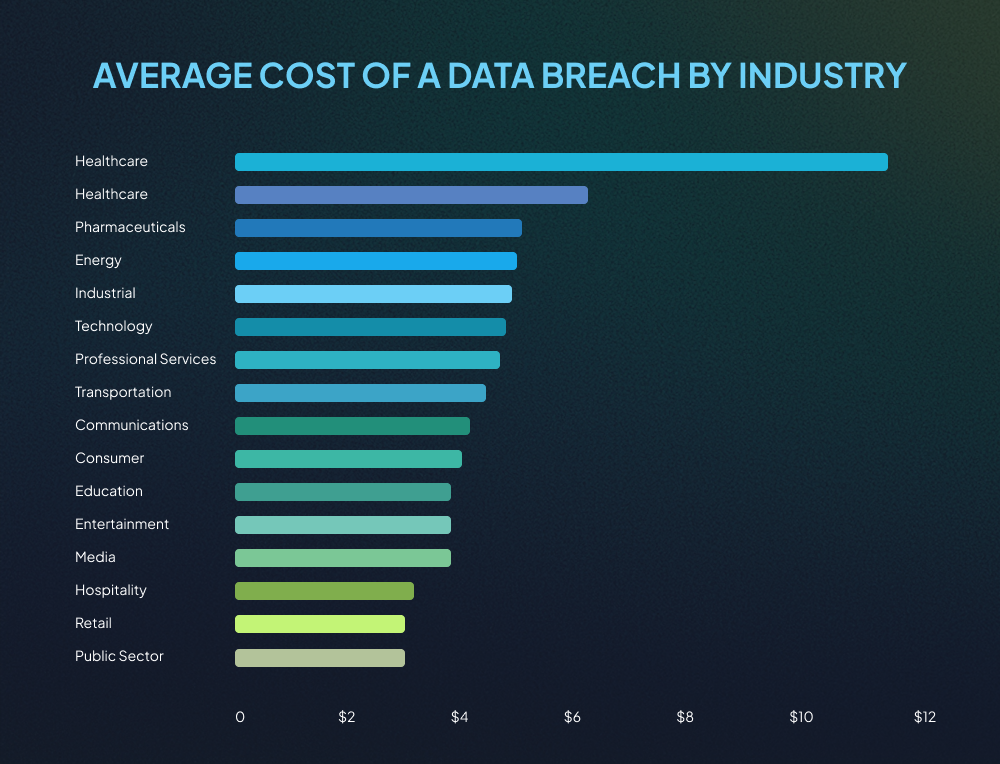
Why does this matter for your custom app? Because public-facing applications are prime targets. In a world where data breaches average nearly $4.88 million globally (and far higher in high-stakes sectors like healthcare at $10.93 million), strong security protects revenue, reputation, and compliance.
Common Attack Vectors: Know Your Enemies
Modern adversaries move fast. Here’s a snapshot of the most dangerous threats—and how to neutralize them:
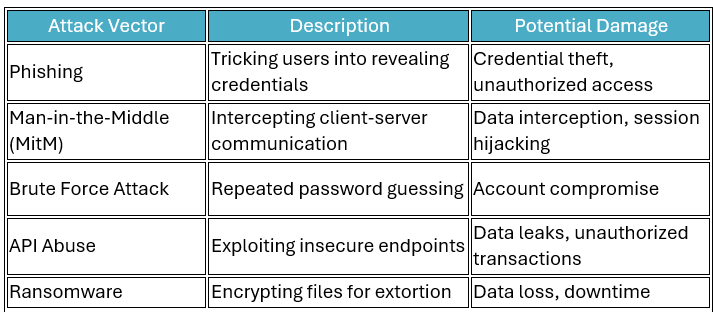
These aren’t hypothetical. Ransomware alone is projected to cause $74 billion in global damage in 2026.
Modern Web Application Security Threats: The 2025 OWASP Top 10 Reality Check
The threat landscape evolves rapidly. The latest OWASP Top 10 (2025) highlights shifting priorities: Broken Access Control remains #1, while Security Misconfiguration jumps to #2 and Software Supply Chain Failures enters at #3—reflecting the explosion of third-party dependencies and AI components.
Key risks include:
- Cross-Site Request Forgery (CSRF) and SQL Injection (SQLi)
- Cross-Site Scripting (XSS)
- Broken Authentication
- Insecure Direct Object References (IDOR)
- Zero-Day Vulnerabilities
Analysis: Supply chain attacks have surged because modern apps rely on hundreds of dependencies. Ignoring them isn’t an option—attackers exploit one weak link to compromise everything downstream.
Essential Web Application Security Best Practices: Your Actionable Playbook
Don’t just defend—build security into your DNA. Here are the non-negotiables that deliver real ROI:
- Strong Authentication Controls Enforce MFA, strong password policies, and least-privilege access. Session management and role-based controls prevent 74-95% of breaches rooted in human error.
- Encrypt Data in Transit and at Rest Use TLS everywhere and AES-256 for stored data. Encryption turns intercepted information into useless noise.
- Keep Software and Dependencies Updated Automate patching and maintain a Software Bill of Materials (SBOM). Outdated components are low-hanging fruit for attackers.
- Validate and Sanitize All Inputs Never trust user data. Strict validation stops SQLi, XSS, and other injection attacks cold.
- Implement Granular Access Control Models Role-based access + regular reviews = minimized insider threats and compliance wins.
- Conduct Security Testing Relentlessly Integrate SAST/DAST, penetration testing, and CI/CD security scans. Test like the enemy.
Comparative Insight: Companies that embed these practices see dramatically lower breach costs—up to 36% savings versus those playing catch-up.
Incident Response: When (Not If) the Breach Happens
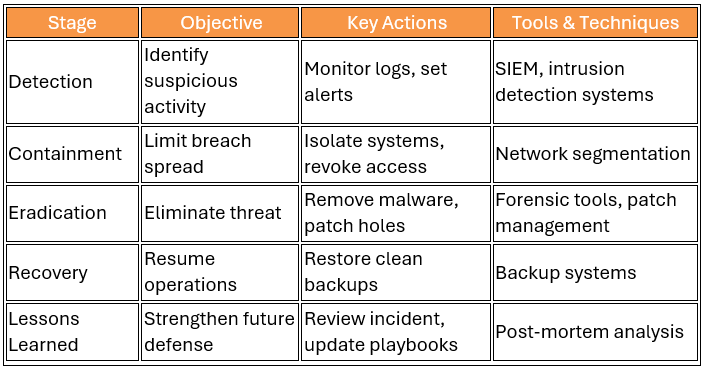
Even the strongest defenses need a battle plan. Here’s a proven framework:
Security as a Continuous Commitment
Security isn’t a one-time project—it’s a living process. Review policies quarterly, monitor threat feeds, automate updates, and run annual penetration tests. The organizations winning in 2026 treat security as core strategy, not an afterthought.
The Future of Application Security: AI, Automation, and Zero Trust
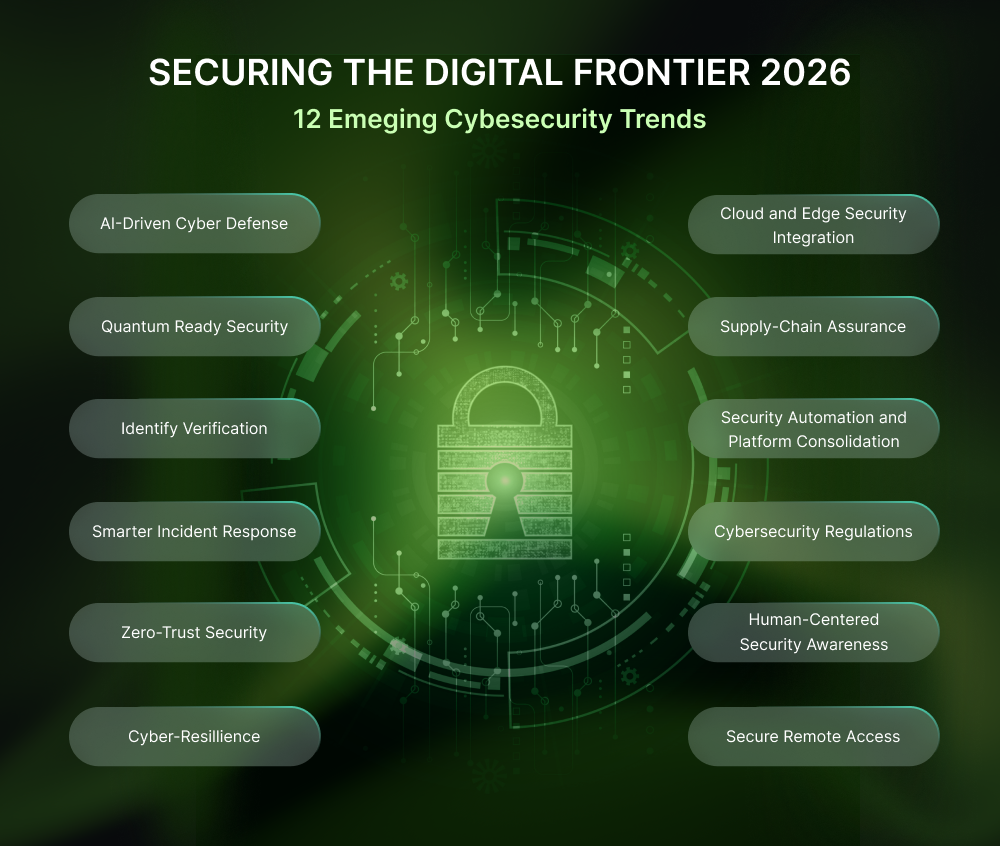
Prediction for 2026 and Beyond: AI-driven threat detection, automated patching, and full Zero Trust architectures will dominate. By 2028, 50% of organizations will adopt Zero Trust data governance to handle AI-generated content risks.
Emerging trends you should adopt now:
- AI-powered anomaly detection for real-time defense
- Automated supply-chain security with SBOMs and PBOMs
- Zero Trust at every layer—no implicit trust, ever
- API security orchestration as APIs power modern ecosystems
Analysis: The shift from reactive to predictive security isn’t optional. Early adopters gain speed, resilience, and a massive trust advantage.
Conclusion: Protect Trust, Drive Growth
Every login, transaction, and API call asks your users one question: Can I trust you? Your answer—delivered through encryption, authentication, continuous monitoring, and a security-first culture—determines whether you lead or lag.
Security isn’t just about avoiding losses. It’s about building unbreakable brand loyalty, accelerating innovation, and securing long-term profitability. The organizations treating security as strategy will dominate in technology and trust.
Ready to future-proof your custom web application? Schedule a free security assessment today and turn your biggest digital asset into your strongest competitive advantage.